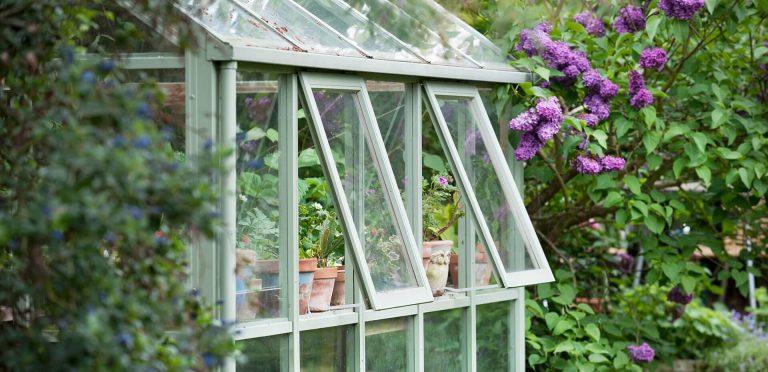
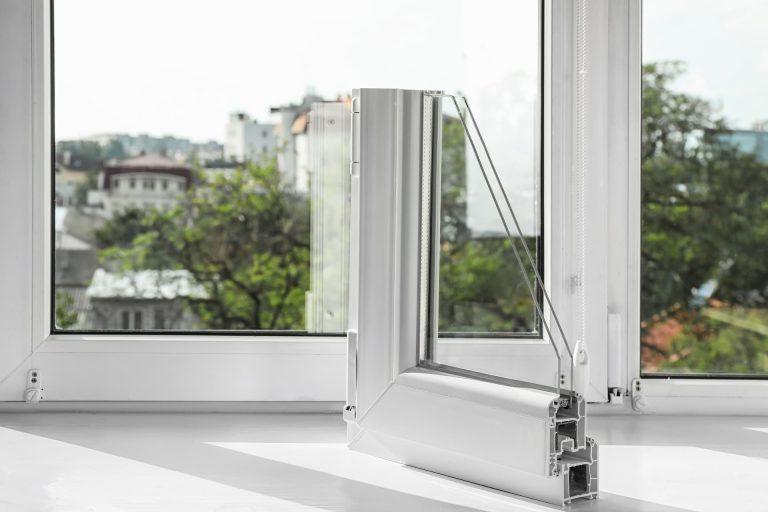
Greenhouse glass is one of the most effective and widely used materials for creating a controlled growing environment. Whether you are a home gardener or managing a larger setup, the type of glass you choose will directly affect plant growth, durability, and long-term costs. This guide explains the key options, benefits, and practical considerations so you can make an informed decision.
Greenhouse glass is a specialised glazing designed to maximise light transmission while protecting plants from the elements. Unlike standard window glass, it is often treated for strength and durability, making it suitable for outdoor structures exposed to changing weather conditions.
There are several common types of greenhouse glass, each suited to different needs.
Horticultural glass is the most basic and affordable option. It is typically 3 mm thick and widely used in traditional greenhouses. However, it breaks into sharp shards, so it requires careful handling.
In contrast, toughened (or tempered) glass is significantly stronger because it has been heat-treated. As a result, it is far more resistant to impact and, if it does break, it shatters into small, blunt pieces. For this reason, it is a safer and more durable choice for most modern greenhouses.
Laminated glass consists of two layers bonded together with a plastic interlayer. Consequently, it holds in place when broken, which makes it suitable for higher-end or commercial applications.
Finally, low-iron glass is designed for maximum clarity. Because it contains less iron, it allows more light to pass through, which can improve plant growth over time.
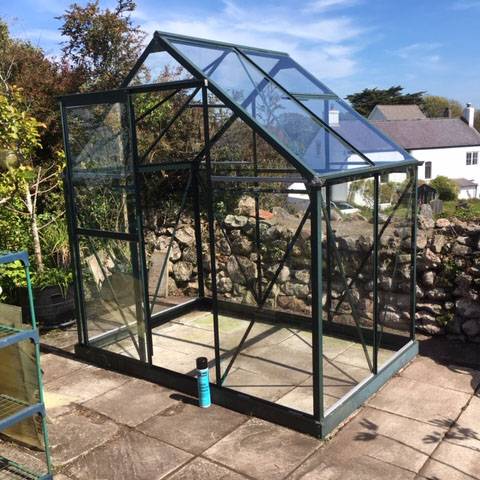
Glass remains a popular choice for several reasons. First, it offers excellent light transmission, often allowing more than 90 per cent of natural sunlight into the greenhouse. This is essential for healthy plant development.
In addition, glass has a long lifespan. Unlike plastic alternatives, it does not yellow or degrade significantly over time. As a result, it maintains consistent performance for many years.
Moreover, glass provides a clean, traditional appearance and is fully recyclable, which makes it an environmentally responsible option.
Although materials such as polycarbonate and plastic film are widely used, glass still stands out for clarity and longevity. While polycarbonate offers better insulation and impact resistance, it does not match the light transmission of glass. Plastic film, on the other hand, is inexpensive but short-lived and less durable. Therefore, glass is often the preferred option for growers who prioritise performance and long-term value.
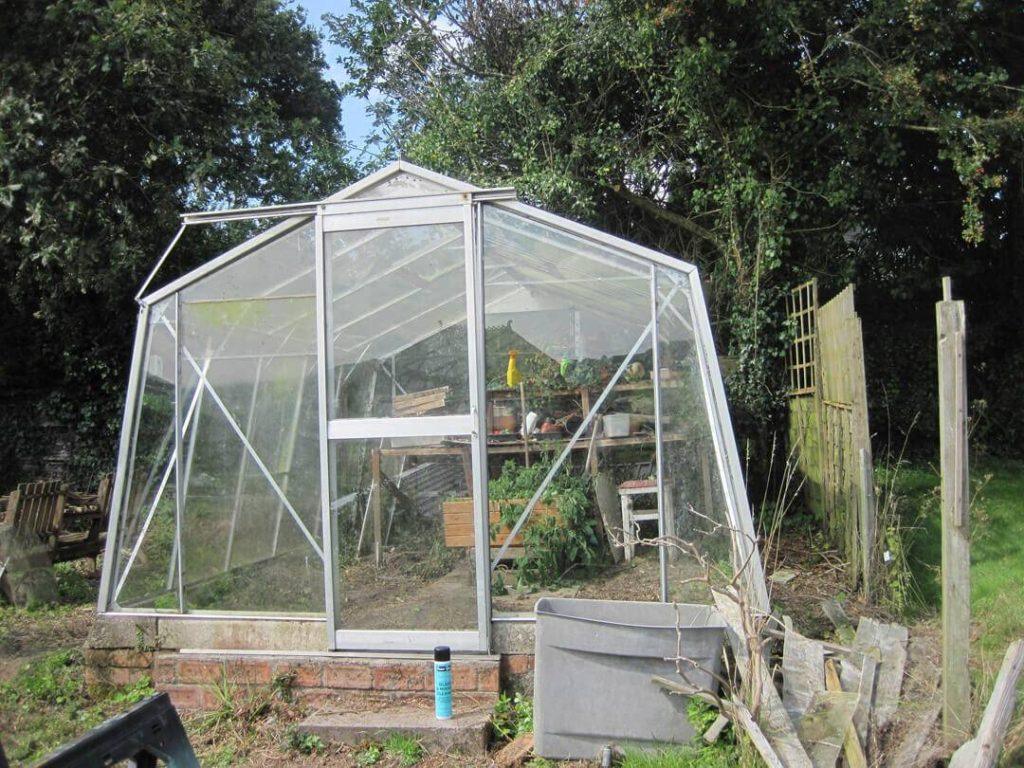
The cost of greenhouse glass varies depending on the type, thickness, and size of the panels. Basic horticultural glass is the most affordable, while toughened and specialised glass options cost more. In addition, factors such as custom cutting and delivery can increase the overall price. Although the initial investment may be higher, glass often proves cost-effective over time due to its durability.
To maintain performance, you should clean greenhouse glass regularly using warm soapy water or a suitable glass cleaner. This helps maximise light levels and supports plant growth.
You should also inspect the structure periodically. For example, check for cracks, loose clips, or damaged seals, particularly after severe weather. By addressing small issues early, you can prevent more costly repairs later.
For those seeking greenhouse glass in Carmarthen, choose Fraser Glaze. We offer a wide range of high-quality panels, from standard horticultural glass to toughened and low-iron options. Furthermore, we offer expert advice to help you select the right materials for your greenhouse.
Contact us today to get a free quote.